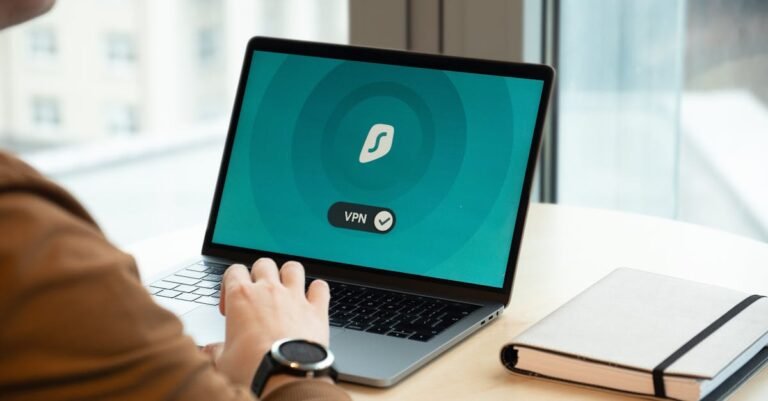

Virtual Private Networks Enable Secure Online Volunteering
Virtual Private Networks, or VPNs, play a crucial role in today’s digital world. They protect users by encrypting internet connections and hiding IP addresses. This technology is especially important for online volunteering. Many people engage in remote activities like virtual meetings and data sharing. Without proper security, these efforts can expose sensitive information. Hackers often target such platforms, making VPNs essential. By using a VPN, volunteers can browse safely and avoid risks. This post explores how VPNs enhance secure online volunteering. Key benefits include privacy protection and secure access to resources. SEO terms like “secure online volunteering” and “VPN benefits” will help optimize this content. Readers should understand the basics before diving deeper. Virtual volunteering has grown with remote work trends. A reliable VPN ensures that every session remains confidential.

Understanding VPN Fundamentals
VPNs create a secure tunnel for internet traffic. This encryption keeps data safe from prying eyes. Online volunteering involves sharing personal details often. Volunteers use platforms that might lack built-in security. Therefore, a VPN adds an extra layer of protection easily. It masks your location and prevents tracking effectively. Many tools offer user-friendly interfaces for beginners. Secure connections allow volunteers to access restricted content worldwide. For instance, some organizations operate in censored regions. A VPN bypasses these barriers without issues. However, choosing the right provider matters greatly. Features like kill switches enhance reliability further. In essence, VPNs are tools that empower safe participation. They reduce the chances of cyber threats significantly. Moreover, setup is straightforward for most users. This technology has evolved to meet modern needs. Volunteers can focus on their missions instead of security worries. Fast speeds ensure smooth video calls and file transfers. Ultimately, understanding VPNs leads to better online practices.

Benefits for Online Volunteering Security
Secure online volunteering requires robust defenses against breaches. VPNs provide encryption that shields communications effectively. Volunteers often handle sensitive information daily. This makes them prime targets for cybercriminals. Therefore, using a VPN minimizes exposure risks considerably. It prevents unauthorized access to networks seamlessly. Features like no-logs policies ensure privacy remains intact. Moreover, VPNs work on various devices without complications. Public Wi-Fi spots are common for volunteers on the go. Hackers exploit these networks frequently, however. A VPN creates a barrier that blocks such attacks easily. Additionally, it allows anonymous browsing for sensitive tasks. This benefit enhances trust in volunteer programs overall. For example, medical volunteers can share data securely. Furthermore, VPNs support multiple server locations worldwide. Users gain access to global resources without restrictions. In practice, this means safer collaboration tools for teams. The cost is another advantage for budget-conscious individuals. Affordable plans deliver high-level security without sacrifices. However, users must select providers with strong reputations. Ultimately, these benefits make VPNs indispensable for volunteers. They foster a safer environment for meaningful contributions.
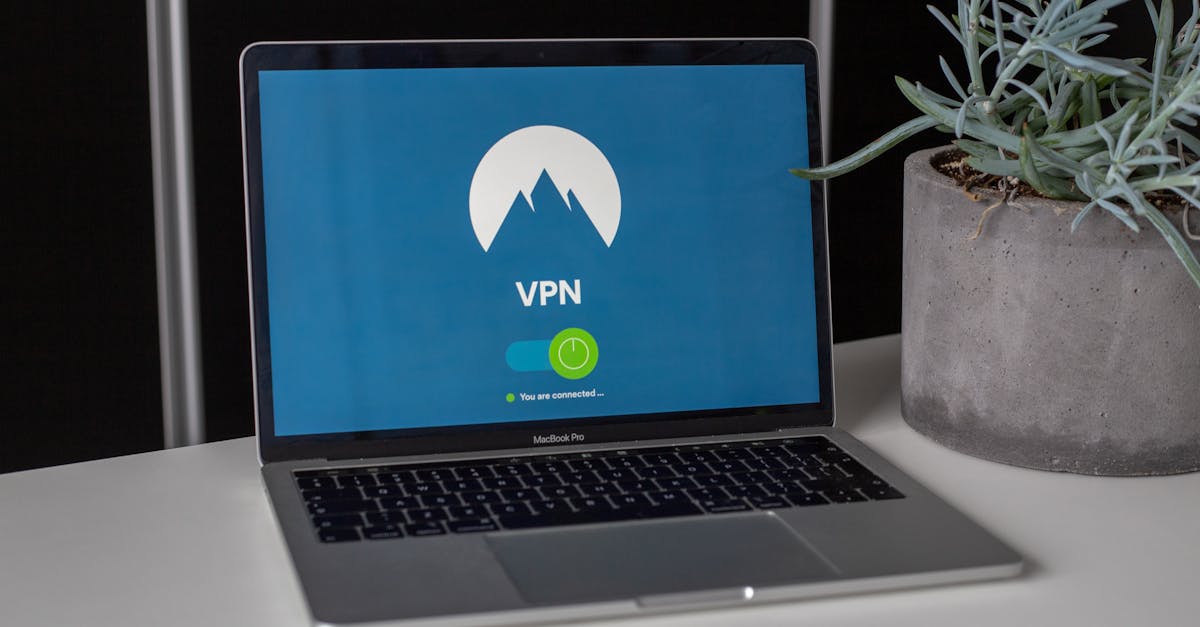
Practical Applications in Volunteering
Applying VPNs in online volunteering yields real results. They secure remote work environments effectively. Volunteers engage in activities like virtual training sessions. Without VPNs, these could be vulnerable to interception. Therefore, implementing VPNs protects shared documents thoroughly. It ensures that all participants remain anonymous if needed. Moreover, VPNs enable access to geo-blocked resources seamlessly. For instance, educational materials might be region-specific. A VPN allows volunteers to overcome these limitations easily. However, integration requires minimal effort from users. Organizations can recommend VPNs for team members. This step enhances overall security protocols significantly. In disaster response scenarios, quick access is vital. VPNs provide stable connections even in unstable areas. Furthermore, they support encrypted communications for updates. Volunteers can report findings without fear of exposure. The technology adapts to various volunteering fields too. Environmental groups benefit from secure data collection tools. Ultimately, practical use of VPNs boosts efficiency and safety. They turn potential risks into manageable aspects.
Why NordVPN Stands Out as a Top Option
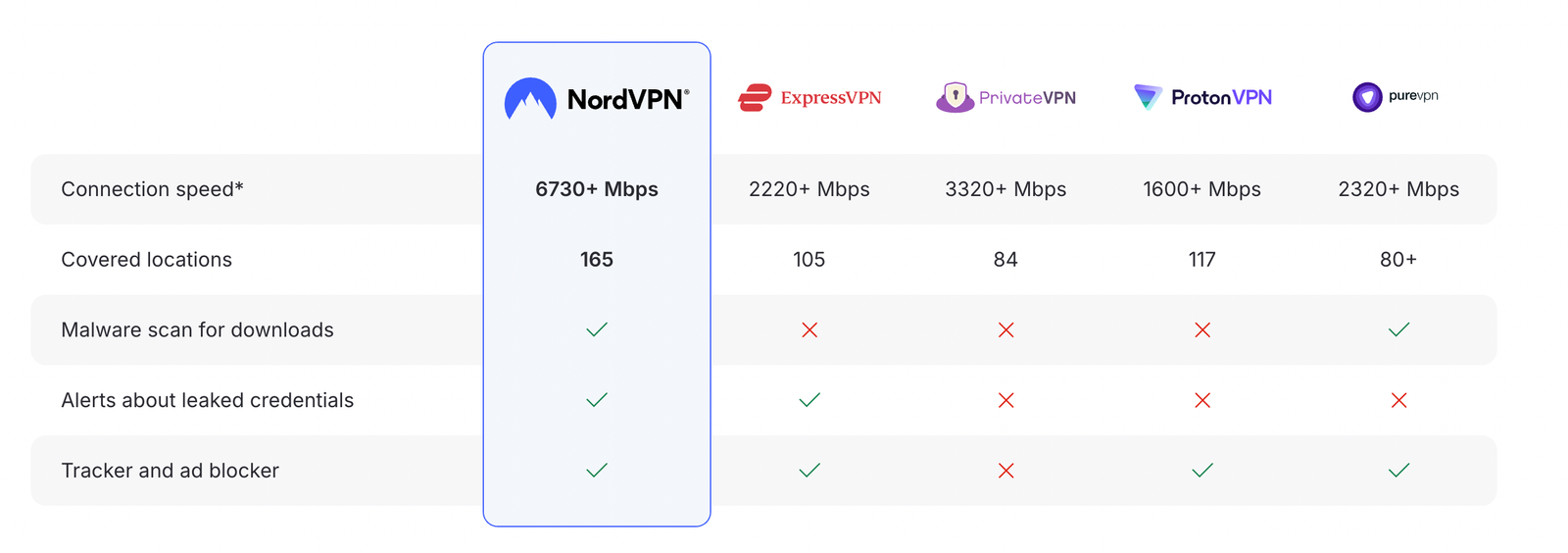
NordVPN offers exceptional features for secure online volunteering. It provides strong encryption and a vast server network. This combination ensures fast, reliable connections every time. Users appreciate its user-friendly apps across devices. Therefore, it’s ideal for anyone starting out. NordVPN includes extras like Threat Protection Pro. These tools block malware and ads effectively. Moreover, its no-logs policy keeps your data private. In the context of volunteering, this means safer interactions. NordVPN excels due to its affordability and performance. It delivers high speeds without compromising security. For volunteers, this translates to seamless video calls. Why choose NordVPN? It balances ease and protection perfectly. Sign up for NordVPN today and safeguard your online efforts. Start enjoying secure volunteering with just a few clicks. This decision will enhance your digital safety immediately.
How NordVPN compares to other top VPNs

Disclosure: We earn a commission at no extra cost to you if you make a purchase through links here. This helps support us in creating more content for you. Thank you for your support!
Share With Friends