
Virtual Private Networks Secure Online Webinars
In today’s digital world, online webinars have become essential for education, business meetings, and collaboration. Virtual Private Networks, or VPNs, play a crucial role in protecting these virtual events from cyber threats. Many users worry about data breaches during webinars, especially when sensitive information is shared. A VPN creates a secure tunnel for your internet connection, encrypting data and hiding your IP address. This technology ensures that participants can join webinars without exposing their location or personal details. For anyone hosting or attending online sessions, understanding VPNs is vital for maintaining privacy and security. Popular for remote work and learning, VPNs help prevent unauthorized access and potential hacking attempts. They also allow users to bypass geo-restrictions, making global webinars accessible. As cyber attacks rise, integrating a VPN into your routine is a smart step. It not only safeguards your device but also enhances the overall experience of virtual interactions. This post explores how VPNs secure online webinars, offering practical insights for everyday users.

Understanding VPN Basics for Webinars
VPNs work by routing your internet traffic through a server. This process masks your real IP address effectively. For online webinars, this means added protection against eavesdroppers. Hackers often target unsecured connections during live sessions. Therefore, a VPN encrypts your data in real-time. It prevents interception of audio, video, and shared files. Many platforms like Zoom rely on user security measures. Thus, incorporating a VPN reduces risks significantly. Users can enjoy webinars from public Wi-Fi without concerns. Moreover, VPNs support multiple devices seamlessly. They ensure that all participants maintain privacy. In essence, the core function of a VPN is to create a secure environment. This is particularly useful for professional webinars involving confidential discussions. As a result, businesses and educators benefit from enhanced data integrity. VPNs also offer features like kill switches for extra safety. They automatically disconnect if the connection drops. Consequently, this minimizes exposure during webinars. For instance, a VPN can block tracking cookies that monitor user behavior. It helps in maintaining anonymity throughout the session. Additionally, VPNs provide server options in various countries. So, users can access region-locked content easily. Overall, the basics of VPNs make them indispensable for secure online interactions. They address common vulnerabilities with straightforward solutions. Furthermore, regular updates from VPN providers improve performance. This keeps webinars running smoothly and securely. In summary, understanding VPN fundamentals empowers users to protect their digital presence. It turns potential risks into manageable aspects of online engagement. VPNs are not just tools; they are essential shields in the modern web landscape. They enhance the reliability of webinars for all participants. Indeed, this technology has evolved to meet growing demands. Therefore, integrating it into your webinar setup is highly recommended. Many experts highlight its role in preventing data leaks. As a result, webinars become more trustworthy and efficient. VPNs also support bandwidth optimization, reducing lag issues. This ensures high-quality video and audio during sessions. Consequently, the user experience improves dramatically. For anyone new to VPNs, starting with a reliable service is key. They offer user-friendly apps that simplify the process. In conclusion, the foundational knowledge of VPNs equips users for safer webinars. It addresses both security and accessibility needs effectively.

Benefits of VPNs in Protecting Webinar Data
VPNs provide robust encryption for webinar participants. This feature shields sensitive information from threats. For example, during live demos, data breaches are a real concern. Thus, VPNs ensure that transmissions remain confidential. They also prevent ISP monitoring of your activities. As a result, your webinar habits stay private. Additionally, VPNs offer anonymity by changing your virtual location. This is helpful for international webinars with diverse attendees. Moreover, they block malicious sites that could compromise sessions. Consequently, the overall security posture strengthens. Users often experience fewer interruptions due to enhanced stability. VPNs minimize latency, making interactions smoother. Furthermore, they support secure file sharing within webinars. This reduces the risk of unauthorized downloads. In practice, VPNs integrate easily with webinar tools. They enhance compatibility without complicating setups. Therefore, hosts can focus on content rather than security worries. Another advantage is protection against DDoS attacks. These can disrupt webinars significantly. So, VPNs act as a buffer against such incidents. They reroute traffic to avoid targeted servers. Additionally, VPNs help comply with data protection laws. This is crucial for businesses handling personal information. As a result, legal risks decrease during webinars. Users appreciate the peace of mind this brings. Moreover, VPNs are cost-effective compared to other solutions. They provide comprehensive protection at affordable rates. In essence, the benefits extend beyond basic security. They improve the reliability and quality of online events. For instance, VPNs enable access to restricted networks. This allows seamless participation from various locations. Consequently, global webinars become more inclusive. Users report higher satisfaction with VPN-enabled sessions. They feel more confident sharing ideas openly. Furthermore, VPNs offer customizable settings for different needs. This adaptability suits both small meetings and large conferences. Therefore, the protective benefits are versatile and impactful. In summary, VPNs safeguard webinar data effectively. They address modern threats with advanced features. As digital events grow, these benefits become indispensable. Users gain a competitive edge in secure communications. Indeed, the advantages make VPNs a preferred choice. They ensure that webinars are both productive and safe.

Implementing VPNs for Enhanced Webinar Security
Implementing a VPN involves simple steps for better protection. First, select a reputable provider to start. This ensures reliable encryption during webinars. Users must install the VPN app on their devices. It only takes a few minutes to set up. Consequently, webinars become more secure right away. VPNs allow you to choose server locations strategically. For example, opt for ones near your audience. This reduces ping times and improves connectivity. Moreover, enable features like auto-connect for convenience. They activate the VPN automatically on startup. As a result, security is consistent across sessions. Implementing VPNs also means monitoring for updates regularly. Providers release patches to fix vulnerabilities. Therefore, keep your software current to maintain defenses. Users can customize protocols based on their needs. Some offer faster speeds for high-definition webinars. Additionally, integrate VPNs with firewall settings for extra layers. This combination blocks unwanted traffic effectively. In practice, testing the VPN before webinars is essential. It helps identify any potential issues early. Furthermore, educate participants on using VPNs properly. This promotes a culture of security in group events. Implementing these tools reduces the chance of data leaks. They encrypt all traffic, including chat messages. Consequently, confidential discussions stay protected. Users find that VPNs enhance overall performance too. They optimize bandwidth for smoother video streams. Moreover, VPNs support multi-device usage seamlessly. This is ideal for hosts managing multiple platforms. Therefore, implementation boosts webinar efficiency and safety. In summary, the process is straightforward and rewarding. It equips users with tools to handle threats. As webinars evolve, VPNs remain a key component. They ensure that online interactions are secure and efficient.
Why NordVPN Stands Out as a Top Choice
NordVPN offers exceptional security for online webinars, making it a reliable option for users worldwide. With advanced features like military-grade encryption and a vast server network, it protects your data effectively during virtual sessions. This service stands out due to its user-friendly interface and strong privacy policies, ensuring minimal leaks. NordVPN’s double VPN feature adds an extra layer of protection, ideal for sensitive webinars. It also provides fast speeds and no-logs policy, enhancing your experience without compromising anonymity. For anyone seeking a trustworthy VPN, NordVPN delivers consistent performance. However, its affordability and 24/7 customer support make it even more appealing. Therefore, choose NordVPN to safeguard your online activities. In relation to securing webinars, NordVPN excels by preventing cyber threats and enabling secure access. Its Threat Protection feature blocks malware automatically, keeping sessions safe. This makes it a great choice for everyday users, from students to professionals. Ultimately, NordVPN ensures your webinars are secure and seamless. Take action now and select NordVPN for enhanced protection. Sign up today to experience its benefits firsthand, boosting your online security effortlessly. Don’t wait; secure your webinars with NordVPN right away.
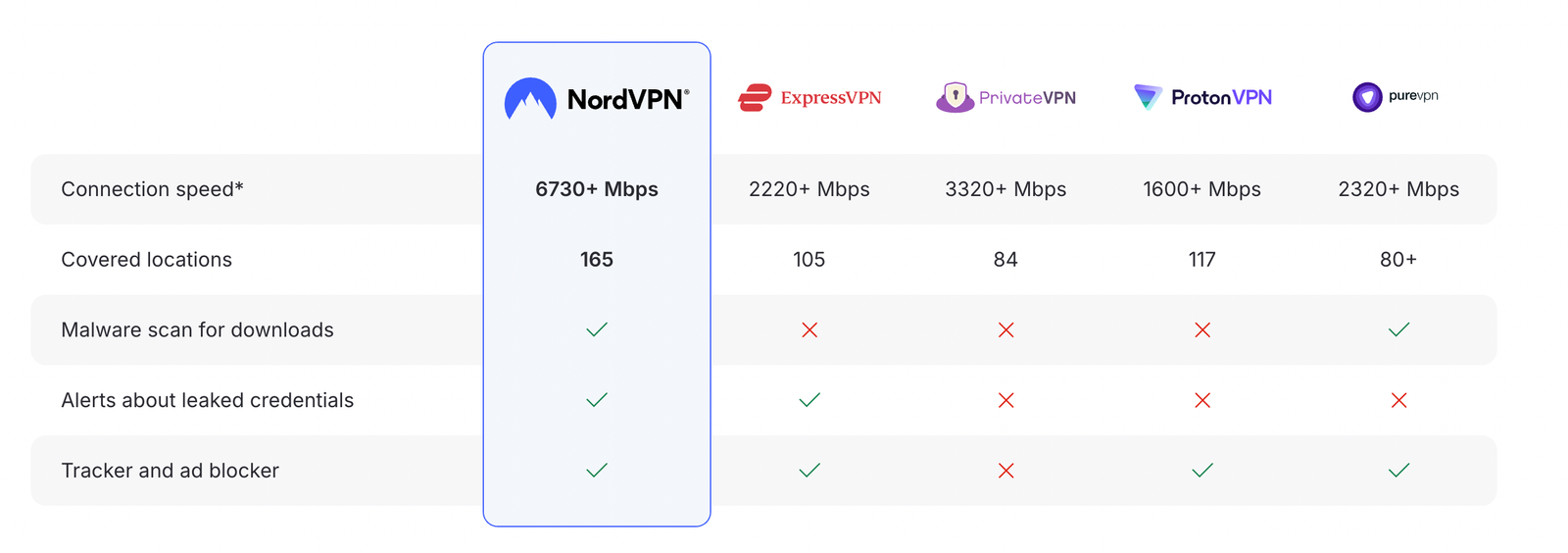
How NordVPN compares to other top VPNs
Disclosure: We earn a commission at no extra cost to you if you make a purchase through links here. This helps support us in creating more content for you. Thank you for your support!
Share With Friends