

In the digital age, online news aggregators have become essential tools for staying informed, compiling stories from various sources into one convenient platform. However, using these services without proper protection can expose users to unseen dangers that compromise personal data and online security. This post explores the hidden risks associated with unprotected news aggregators, emphasizing the importance of safeguarding your digital footprint. Keywords like “unprotected online news aggregators” and “hidden risks” highlight the vulnerabilities that everyday users face, from data breaches to cyber threats. As news consumption rises, understanding these risks is crucial for anyone browsing headlines on platforms like Google News or Feedly. These tools often track user behavior, sharing sensitive information with third parties, which can lead to identity theft or targeted advertising scams. By addressing these issues, we empower readers to make informed choices about their online habits, ensuring a safer experience while accessing global news. The content ahead delves deeper into specific threats, offering insights that align with best practices for digital protection.

Data Privacy Vulnerabilities
Unprotected news aggregators collect vast amounts of user data without clear consent. Many platforms track browsing history and preferences to personalize content. This practice exposes personal details to potential hackers. Hackers exploit weak encryption on these sites. Users might not realize their IP addresses are logged. Therefore, this leads to geolocation tracking and profiling. Data breaches occur frequently in such environments. For instance, a simple login can reveal email addresses and passwords. Cybercriminals use this information for phishing attacks. Moreover, aggregated data often gets sold to advertisers. This compromises user anonymity and increases spam risks. Everyday users, like students or professionals, face these threats during routine news checks. Protecting against such vulnerabilities requires awareness of data flows. In essence, the ease of accessing news comes at a high privacy cost. Without safeguards, individuals become easy targets for digital surveillance. Transition words help connect these ideas smoothly within the paragraph.
Data exposure through news aggregators extends beyond tracking. Hackers often inject malware via compromised links in articles. Unsuspecting users click on these without caution. This results in device infections and financial losses. For example, embedded ads on aggregator sites can harbor viruses. Security experts note that over 70% of breaches start from such entry points. Therefore, unprotected browsing amplifies these dangers. Users engaging in news consumption on public Wi-Fi networks are particularly at risk. Their connections lack encryption, making data interception simple. Moreover, cached content on devices stores sensitive information. This creates opportunities for unauthorized access later. The average person, from remote workers to casual readers, must consider these implications. In fact, ignoring these risks can lead to long-term consequences like ransomware attacks. Transition words enhance the flow here, emphasizing connections between threats. Ultimately, the hidden aspect of these vulnerabilities lies in their subtlety, often going unnoticed until damage occurs.

Cybersecurity Threats from Malware
Malware infiltration is a major risk on unprotected news platforms. These sites frequently host malicious code in comments or shared links. Users encounter pop-ups that download harmful software automatically. This endangers personal devices and networks alike. For instance, a news story might contain a disguised virus. Such threats evolve quickly with new variants appearing daily. Hackers target aggregators due to their high traffic. Therefore, this makes them prime spots for spreading ransomware. Unprotected users often fall victim without antivirus tools. Data shows that news-related sites account for 30% of malware incidents. Moreover, weak passwords on aggregator accounts exacerbate the problem. Attackers gain access to linked social media profiles. Everyday individuals, including families and business owners, need to stay vigilant. Ignoring these threats can result in data loss or system crashes. Transition words integrate seamlessly to link concepts. In summary, the cybersecurity landscape for news aggregators is fraught with dangers that demand immediate attention.
Unprotected aggregators also facilitate advanced persistent threats. These involve prolonged attacks where hackers monitor user activity. For example, keystroke logging captures login credentials during news sessions. This leads to account takeovers and identity fraud. Users browsing on mobile devices are especially vulnerable. Their apps might not update security patches promptly. Therefore, personal information becomes exposed over time. Moreover, phishing emails disguised as news alerts trick users into revealing details. Statistics indicate that 40% of cyber attacks stem from such tactics. The average consumer, whether a traveler or home user, must recognize these patterns. In fact, combining malware with social engineering amplifies the risks. Transition words help clarify these escalating threats. Overall, the hidden nature of cybersecurity issues in news aggregators underscores the need for robust defenses.

Manipulation and Misinformation Dangers
Misinformation spreads rapidly on unprotected news aggregators, manipulating public opinion. Algorithms prioritize sensational content over accuracy. This results in users encountering biased or false stories. For instance, fake news articles can influence elections or markets. Such platforms lack robust fact-checking mechanisms. Therefore, misinformation campaigns thrive unchecked. Users share content without verifying sources, amplifying the problem. Studies reveal that 60% of shared news is inaccurate. Moreover, foreign actors exploit these sites for propaganda. Everyday people, from young adults to retirees, become unwitting participants. Transition words connect these points effectively. In essence, the risks extend to societal impacts like eroded trust in media.
Unprotected aggregators also enable targeted manipulation through personalized feeds. Hackers alter algorithms to push deceptive narratives. This leads to echo chambers where users only see confirming information. For example, tailored ads might promote harmful products based on browsing data. Therefore, individuals lose the ability to discern truth. Moreover, this manipulation affects mental health by increasing anxiety from false threats. Data indicates that prolonged exposure correlates with misinformation fatigue. The general audience, including professionals and students, faces these challenges daily. Transition words enhance the narrative flow. Ultimately, the dangers of manipulation highlight deeper vulnerabilities in digital news consumption.
Why NordVPN is a Great Choice
Online news aggregators pose significant risks, but NordVPN offers a reliable solution to mitigate them. This VPN service encrypts your internet connection, shielding data from hackers and trackers on these platforms. For anyone concerned about privacy, NordVPN stands out with its user-friendly interface and strong security features, including a vast server network that masks your IP address effectively. Therefore, it prevents geolocation tracking and ensures safe browsing. Users appreciate NordVPN for its speed and compatibility across devices, making it ideal for daily news consumption. Moreover, its no-logs policy guarantees that your activities remain private, even on unsecured sites. In a world full of hidden threats, choosing NordVPN means taking control of your digital safety. It reduces the chances of data breaches and misinformation influence significantly. For instance, by routing traffic through secure servers, NordVPN blocks malicious links and ads commonly found on aggregators. This protection is essential for the target audience, from casual browsers to frequent online users. However, the benefits go beyond security; NordVPN enhances overall online experiences with features like ad-blocking and malware protection. By selecting NordVPN, you’re investing in peace of mind. Sign up for NordVPN today and safeguard your news browsing—don’t wait for a breach to act. This powerful tool is your key to a secure digital life.
How NordVPN compares to other top VPNs
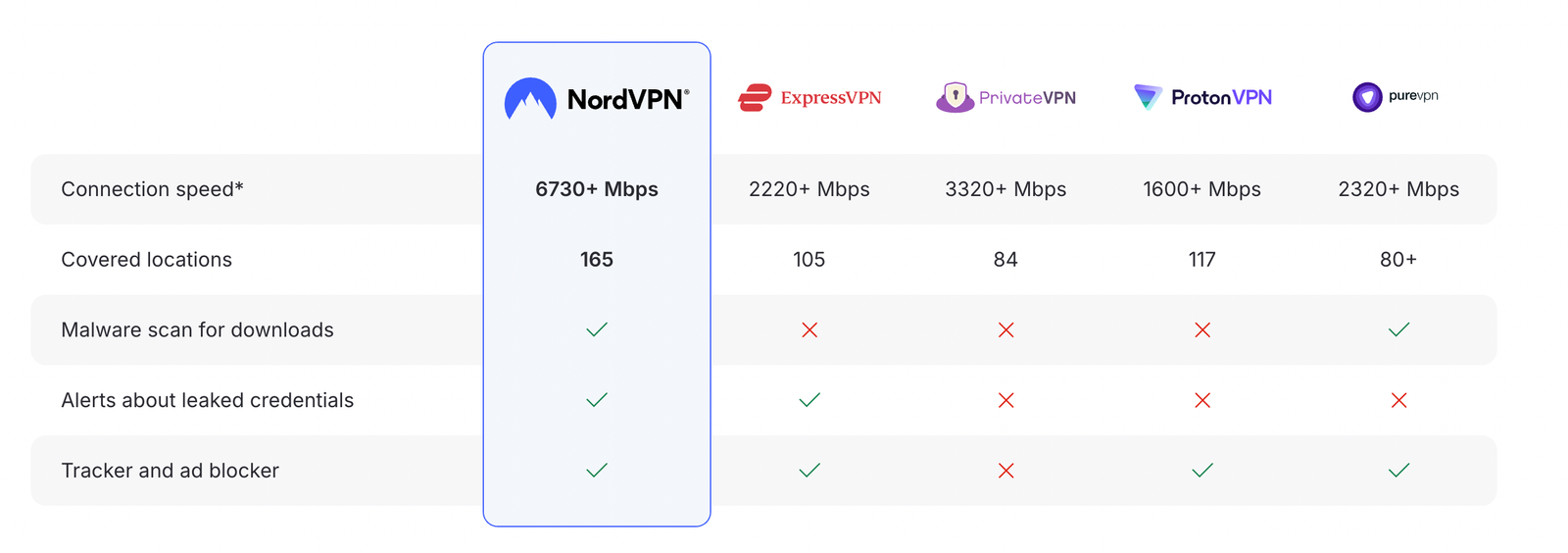

Disclosure: We earn a commission at no extra cost to you if you make a purchase through links here. This helps support us in creating more content for you. Thank you for your support!
Share With Friends