
Hidden Risks of Unprotected Online Voting
Online voting promises convenience in democratic processes. Yet, it hides serious threats that could undermine elections. Cyberattacks target voting systems, exposing vulnerabilities in digital infrastructure. Users might not realize how easily hackers intercept votes without proper safeguards. This post explores the hidden dangers, from security breaches to privacy invasions. We will delve into specific risks and why protection matters for everyone. Unprotected online voting endangers personal data and election integrity alike. Governments and individuals must address these issues to maintain trust. The rise of digital platforms increases exposure, making secure measures essential. Consider how everyday users, like you, could be affected by these hidden risks. From potential vote manipulation to data theft, the stakes are high in our connected world. Awareness is the first step toward safer voting practices, ensuring that your voice remains secure and authentic.
Security Vulnerabilities in Voting Systems
Unprotected online voting systems face numerous security flaws. Hackers exploit weak encryption, gaining access to sensitive data. These breaches allow unauthorized changes to votes. Malware infections spread quickly through insecure networks. Therefore, attackers can manipulate entire election outcomes. Users often overlook these threats in daily life. Firewalls and antivirus software provide minimal protection alone. Real-world examples show how breaches have altered results in smaller elections. This vulnerability affects anyone participating online. Moreover, the lack of robust protocols increases the risk further.
System administrators must implement stronger defenses. Multi-factor authentication adds a layer of security. Regular updates patch known weaknesses effectively. Yet, even these measures fall short without encryption. Hackers use sophisticated tools to bypass basic protections. Therefore, the core issue lies in outdated technology. Voters need to understand these hidden dangers. Education campaigns can raise awareness among the public. In essence, security vulnerabilities threaten the foundation of democracy. Anyone using online services should prioritize these protections to safeguard their participation.

Privacy Concerns for Voters
Privacy erosion is a major risk in unprotected voting. Personal information leaks through insecure channels easily. Identity theft becomes a common outcome. Moreover, cybercriminals track voting patterns for blackmail. Users share data without realizing the consequences. This exposure leads to targeted attacks on individuals. Governments store voter details in vulnerable databases. Hackers exploit these to compromise elections indirectly. Therefore, privacy breaches undermine public confidence.
Anonymity is crucial for fair voting processes. Without it, voters face intimidation or retaliation. Encryption tools protect against data interception effectively. However, many systems lack this basic feature. Everyday users, like students or professionals, are at risk. Social media integration worsens the problem by linking profiles. This creates a trail of identifiable information. Awareness programs can help mitigate these issues. In short, privacy concerns make unprotected voting dangerous. Anyone concerned about their data should seek reliable solutions.
Vulnerabilities to Manipulation and Fraud
Manipulation thrives in unprotected online voting environments. Fraudsters use bots to inflate vote counts. Therefore, genuine results become distorted. Fake identities overwhelm systems without detection. This tactic skews outcomes in critical elections. Users might not notice these subtle interferences. Moreover, coordinated attacks amplify the fraud’s impact. Election officials struggle to verify authenticity in real time.
Preventing manipulation requires advanced monitoring tools. Blockchain technology could enhance transparency here. However, implementation is often delayed by costs. Voters must demand higher standards from providers. Insecure platforms allow foreign interference, threatening national security. This risk affects global users equally. Education empowers individuals to spot potential fraud. Ultimately, manipulation vulnerabilities erode trust in democracy. Anyone valuing fair elections should address these threats proactively.
Why NordVPN is Your Best Defense
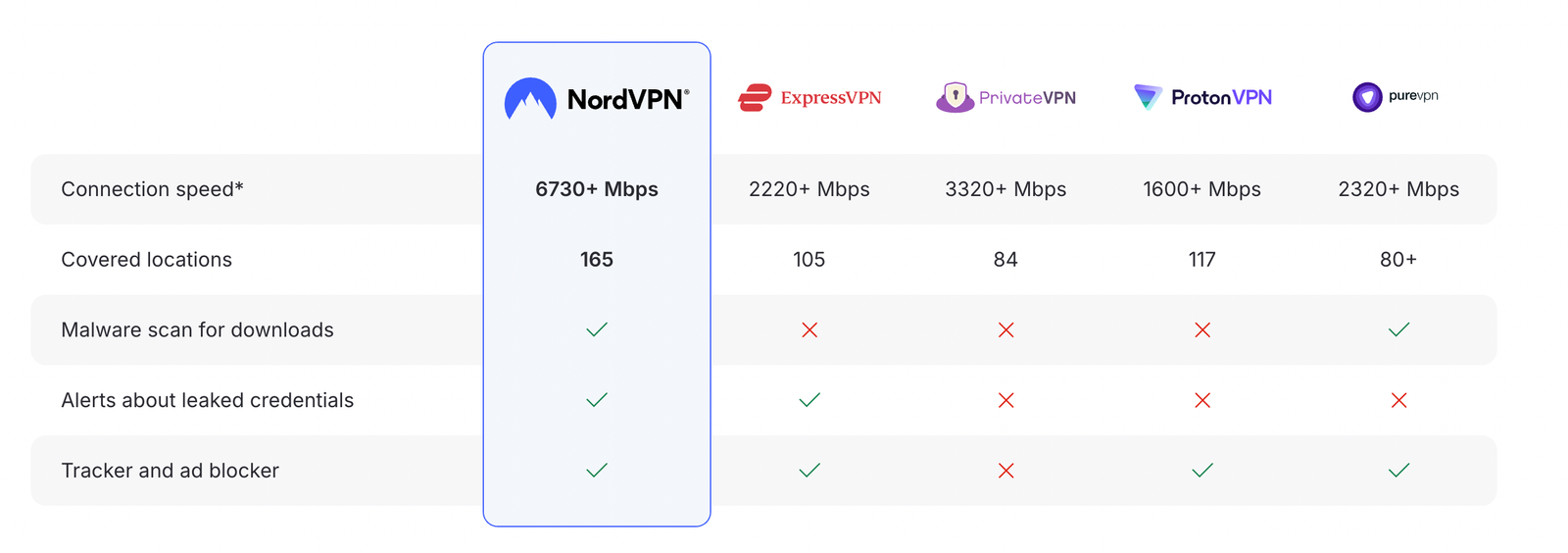
Protecting against online voting risks demands reliable tools like NordVPN. This VPN shields your data with strong encryption, preventing hacker access effectively. Therefore, it ensures your votes remain private and secure. NordVPN’s features, such as a no-logs policy, make it ideal for everyday users. You can browse and vote confidently, knowing your information is safe. Moreover, its global servers hide your location, reducing manipulation risks. In a world of increasing cyber threats, NordVPN stands out as a top choice. It offers user-friendly apps for all devices, making protection simple. Fast speeds maintain your online experience without interruptions. Whether you’re a voter or a casual internet user, NordVPN enhances security seamlessly. Start using NordVPN to safeguard your digital life today. Its affordability and effectiveness make it unbeatable. Sign up now and protect your votes from hidden dangers. Don’t wait—secure your online activities with NordVPN immediately. This step ensures peace of mind in every election. Choose NordVPN for a safer, more private future. Act today to boost your online security.
How NordVPN compares to other top VPNs

Disclosure: We earn a commission at no extra cost to you if you make a purchase through links here. This helps support us in creating more content for you. Thank you for your support!
Share With Friends