
Online banking has revolutionized how we manage finances, offering convenience from anywhere. Yet, without proper protection, it exposes users to serious threats that can lead to financial loss and identity theft. This post explores the hidden risks of unprotected online banking and why securing your connection matters. Keywords like “online banking security” and “cyber threats” are vital as cybercriminals evolve their tactics daily. Many people underestimate these dangers, assuming their bank handles everything. In reality, personal devices and networks often become weak points for attackers. Consider how a simple login can turn into a nightmare if data falls into the wrong hands. Banks recommend encryption and VPNs, but awareness remains low among everyday users. This content targets anyone handling money online, from students to professionals, emphasizing proactive steps. By the end, you’ll understand why tools like VPNs are essential for safe banking.
The Dangers of Phishing Attacks
 Phishing remains a top threat in unprotected online banking. Hackers send deceptive emails that mimic legitimate banks. Victims click links and enter credentials unknowingly. This grants access to accounts and funds. For instance, a fake alert about suspicious activity tricks users easily. Additionally, these attacks often include malware attachments. Once installed, it steals personal information silently. Many overlook how sophisticated these schemes have become. Therefore, recognizing suspicious emails is crucial for prevention. Unprotected devices make it easier for attackers to exploit weaknesses. Banks report millions lost annually to phishing. However, simple habits like verifying sources can reduce risks. Education plays a key role in staying safe online. Furthermore, combining awareness with tools enhances protection. Attackers target anyone with online accounts regularly. In fact, phishing evolves with new techniques yearly. This means constant vigilance is necessary. Users must avoid clicking unknown links at all times. Moreover, reporting incidents quickly helps mitigate damage. Phishing not only drains finances but also erodes trust in banking systems. As a result, individuals feel vulnerable in digital spaces. Hackers use social engineering to manipulate emotions effectively. For example, urgency in messages pressures quick responses. Therefore, taking a moment to double-check saves trouble later. Additionally, multi-factor authentication adds an extra layer against these threats. Unprotected banking without it is like leaving doors unlocked. Hackers exploit human errors more than technical flaws. In summary, phishing underscores the need for better online habits. This risk affects global users without discrimination. However, awareness campaigns are making a difference slowly. Banks and experts recommend regular training sessions. Furthermore, using secure browsers helps block fraudulent sites. Phishing attacks highlight why protection is non-negotiable today.
Vulnerabilities from Malware and Viruses
 Malware poses severe risks to unprotected online banking sessions. It infiltrates devices through infected downloads or compromised apps. Once inside, it monitors keystrokes and captures login details. This leads to unauthorized transactions and data breaches. For example, ransomware locks accounts until payment is made. Additionally, viruses spread via shared networks, amplifying threats. Users often ignore software updates, creating entry points for attackers. Malware adapts quickly, evading traditional antivirus measures. However, regular scans can detect issues early. This vulnerability affects casual bankers the most. In practice, mobile apps are prime targets for such infections. Hackers distribute malicious code disguised as legitimate tools. Therefore, downloading from trusted sources is essential. Unprotected systems allow malware to operate undetected for weeks. As a result, financial losses mount without immediate signs. Furthermore, it compromises personal privacy beyond banking. Experts note that malware incidents have surged in recent years. For instance, banking Trojans steal credentials automatically. This makes everyday transactions dangerous without safeguards. Users must install firewalls and anti-malware programs promptly. Additionally, avoiding public computers reduces exposure significantly. Malware not only steals money but also sells data on dark webs. However, education on safe browsing habits counters these risks. In fact, combining multiple defenses strengthens overall security. Attackers target demographics like young adults frequently. Therefore, awareness is key for all age groups. Unprotected online banking with malware is a recipe for disaster. Moreover, it erodes confidence in digital finance tools. Banks advise encrypting sensitive data as a baseline measure. This step alone prevents many common attacks effectively. Furthermore, backing up information regularly minimizes potential damage. Malware vulnerabilities remind us of the digital world’s fragility. In conclusion within this section, proactive measures are vital for safety.
Risks of Using Public Wi-Fi
 Public Wi-Fi exposes online banking to interception by hackers. These networks lack encryption, allowing data theft during transactions. For example, logging in at a cafe lets attackers capture credentials easily. Additionally, man-in-the-middle attacks reroute traffic for exploitation. Users frequently connect without considering the dangers involved. This risk is prevalent in places like airports and hotels. However, simple precautions can make a big difference. Public Wi-Fi hotspots are breeding grounds for cybercriminals. In reality, they monitor unencrypted connections in real-time. Therefore, avoiding banking on such networks is advisable. Unprotected sessions on public Wi-Fi often result in identity theft. As a result, financial accounts become accessible to strangers. Furthermore, hackers set up fake hotspots to lure victims. For instance, a network named “Free Wi-Fi” might be a trap. This tactic tricks users into connecting unsuspectingly. Experts warn that mobile hotspots amplify these vulnerabilities. Additionally, without VPNs, data travels openly and unsecured. Public Wi-Fi risks affect travelers and remote workers alike. However, using cellular data as an alternative provides security. In practice, enabling HTTPS on websites adds protection layers. Hackers exploit weak passwords combined with public networks. Therefore, strong authentication is non-negotiable for safety. Unprotected online banking on Wi-Fi can lead to rapid losses. Moreover, it highlights the need for encrypted connections always. Users should disconnect from public networks after use. This prevents lingering threats from persisting. Furthermore, monitoring account activity regularly detects breaches early. Public Wi-Fi dangers underscore broader cybersecurity issues today. In summary, awareness and tools are essential to mitigate them.
Why NordVPN is a Great Choice for Protection
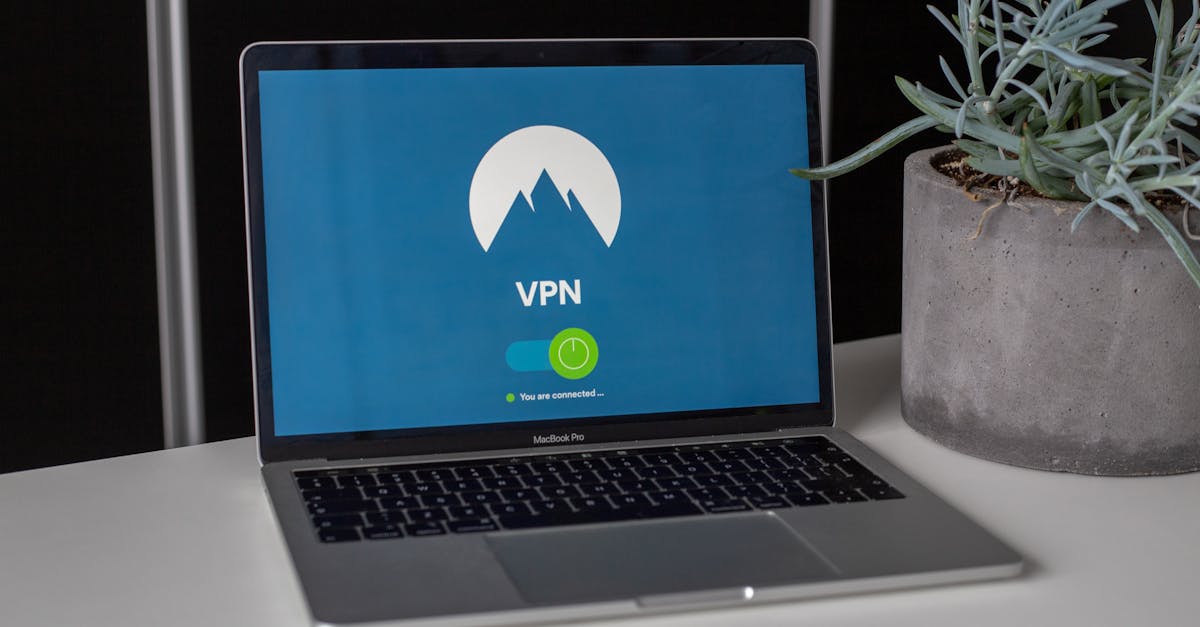
NordVPN stands out as an excellent option for safeguarding online banking from hidden risks. It provides robust encryption that shields your data on any network. This tool ensures secure connections, preventing hackers from intercepting information. Additionally, its no-logs policy protects your privacy effectively. For anyone using online banking, NordVPN offers peace of mind in a digital world. However, what makes it truly beneficial is the user-friendly interface. Many users appreciate its speed and reliability during transactions. Therefore, it minimizes the chances of exposure to threats like phishing or malware. NordVPN relates directly to these risks by creating a virtual private network that masks your IP address. This feature blocks unauthorized access, making it ideal for public Wi-Fi scenarios. As a result, your banking activities remain confidential and secure. Now, consider why it’s a good choice: it includes advanced servers worldwide, ensuring fast connections without compromises. Furthermore, regular updates keep it ahead of emerging threats. For the target audience, from beginners to experts, NordVPN simplifies security. It doesn’t require technical expertise, yet delivers top-tier protection. However, the strong call to action is clear—sign up for NordVPN today to protect your finances and enjoy safe online banking. Don’t wait for a breach; take control now and secure your digital life with ease. This choice boosts your overall online safety, making it worthwhile immediately. Sign up via their official website to start enjoying these benefits right away.
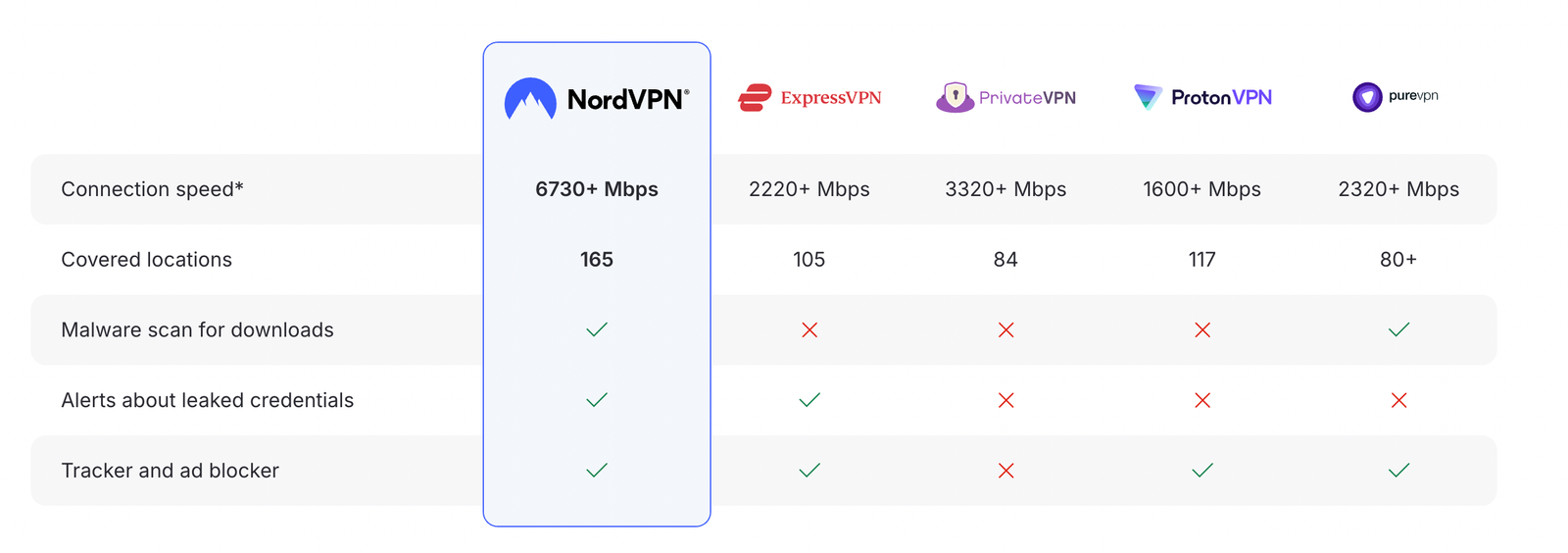
How NordVPN compares to other top VPNs
Disclosure: We earn a commission at no extra cost to you if you make a purchase through links here. This helps support us in creating more content for you. Thank you for your support!
Share With Friends