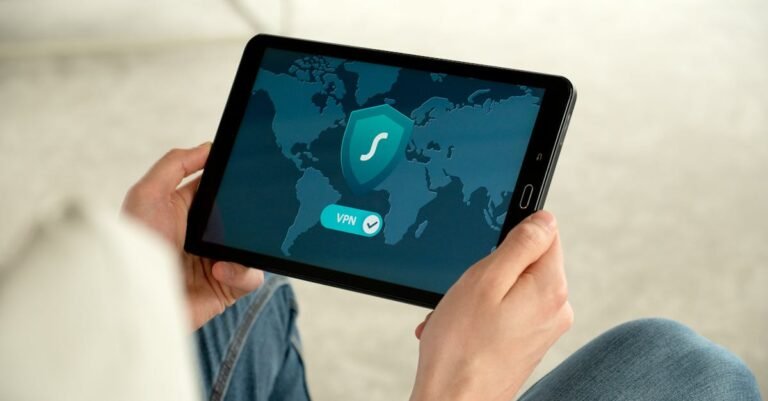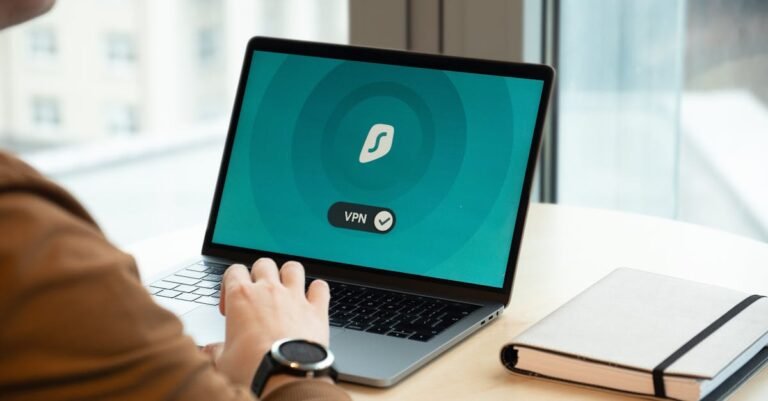

In the digital age, virtual private networks (VPNs) have become essential tools for protecting online privacy, especially for digital nomads who travel frequently and rely on public Wi-Fi. Digital nomads often face risks like data breaches and surveillance while working from coffee shops or airports. A VPN encrypts internet traffic, masking IP addresses and creating a secure tunnel for data transmission. This technology ensures that sensitive information, such as emails and financial details, remains confidential. For digital nomads, maintaining privacy is crucial because they handle personal and professional data on the go. Keywords like “VPN for digital nomads” highlight how these tools enhance security in an interconnected world. Beyond protection, VPNs allow access to content blocked by geographic restrictions, supporting a nomadic lifestyle. As remote work grows, understanding VPN benefits can empower users to browse safely. This post explores how VPNs enhance privacy, offering practical insights for anyone seeking secure online experiences. The rise of cyber threats makes VPNs indispensable for travelers and remote workers alike.
How VPNs Safeguard Data and Connections
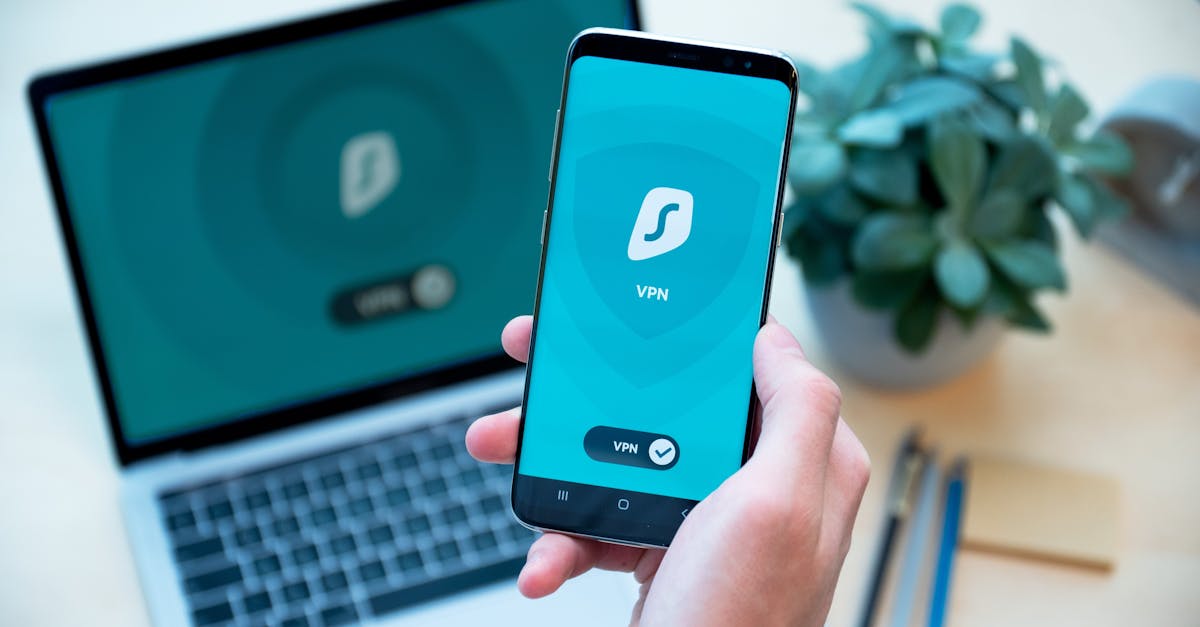
VPNs use advanced encryption protocols to protect user data from hackers and prying eyes. This technology creates a virtual shield, ensuring that all online activities stay private. Digital nomads benefit greatly because public Wi-Fi networks are vulnerable to attacks. For instance, without a VPN, cybercriminals can intercept unencrypted data easily. Additionally, VPNs mask your real IP address, preventing websites from tracking your location. This feature is vital for nomads working across borders, as it maintains anonymity during video calls or file sharing. Furthermore, VPNs offer features like kill switches, which automatically disconnect the internet if the VPN drops, avoiding exposure. In practice, this means digital nomads can access banking apps securely from anywhere. However, not all VPNs are equal; choosing one with strong servers enhances reliability. Transitioning to usage, VPNs also reduce the risk of ISP monitoring, which is a common concern. Overall, these tools provide a robust defense against digital threats, making them essential for mobile professionals. The encryption process involves complex algorithms that scramble data in real-time. As a result, even if data is intercepted, it remains unreadable. Digital nomads should prioritize VPNs with no-logs policies to ensure their activities aren’t recorded. This level of protection fosters trust in online environments. Moreover, VPNs support multiple devices, allowing seamless integration into daily routines. For example, a nomad can secure their laptop and smartphone simultaneously. Therefore, adopting a VPN is a proactive step toward better privacy. In summary, VPNs deliver comprehensive security that adapts to the needs of modern travelers.
Advantages of VPNs for Remote Work and Travel

For digital nomads, VPNs offer key advantages that enhance productivity and safety during remote work. They enable access to geo-restricted content, such as streaming services or work tools not available in certain countries. This capability is especially useful for nomads who need consistent access to global resources. VPNs also secure connections on unreliable networks, reducing downtime caused by cyber incidents. In addition, these tools prevent targeted advertising based on location data, preserving user privacy. Furthermore, VPNs improve overall internet speed in some cases by routing traffic through optimized servers. Digital nomads often deal with varying internet qualities, so this reliability is a game-changer. However, the real value lies in bypassing censorship in regions with strict internet controls. For instance, a nomad in a restricted area can use a VPN to communicate freely. Transitioning to health benefits, secure connections reduce stress from potential breaches, allowing focused work. Moreover, VPNs support business continuity by protecting sensitive client information. As remote work expands, these features become indispensable. Additionally, VPNs facilitate virtual teamwork by ensuring secure file transfers. In practice, this means nomads can collaborate without exposing data. Therefore, integrating VPNs into daily routines boosts efficiency and peace of mind. Overall, the advantages extend beyond privacy, making VPNs a staple for mobile lifestyles. Users report fewer interruptions, which enhances their professional output. For example, a VPN can hide your digital footprint, aiding in personal branding efforts. This multifaceted utility makes VPNs appealing to a broad audience, including freelancers and entrepreneurs.
Key Features to Consider in VPN Selection
When selecting a VPN, digital nomads should evaluate features that prioritize privacy and performance. High-speed servers are essential for smooth streaming and video calls, especially during travel. Additionally, strong encryption standards like AES-256 ensure data remains secure against advanced threats. Users must also check for a no-logs policy, which guarantees that no activity records are kept. This aspect is critical for maintaining anonymity in public spaces. Furthermore, compatibility with multiple devices allows seamless protection across smartphones and laptops. In contrast, some VPNs lack these features, leading to potential vulnerabilities. Transitioning to usability, intuitive apps with one-click connections simplify the experience for beginners. Moreover, features like split tunneling let users choose which traffic to encrypt, balancing security and speed. For digital nomads, unlimited bandwidth is a must to avoid data caps during long sessions. However, server locations matter too; a wide network enables access to content from various countries. Therefore, researching provider reputations helps in making informed choices. Overall, these features collectively enhance the VPN’s effectiveness for nomadic use. In practice, selecting a VPN with these attributes minimizes risks and maximizes benefits. For instance, automatic reconnect options prevent accidental exposures. Additionally, customer support availability ensures quick resolutions to issues. This careful selection process empowers users to tailor their privacy tools effectively.
Why NordVPN Stands Out as the Ideal Option
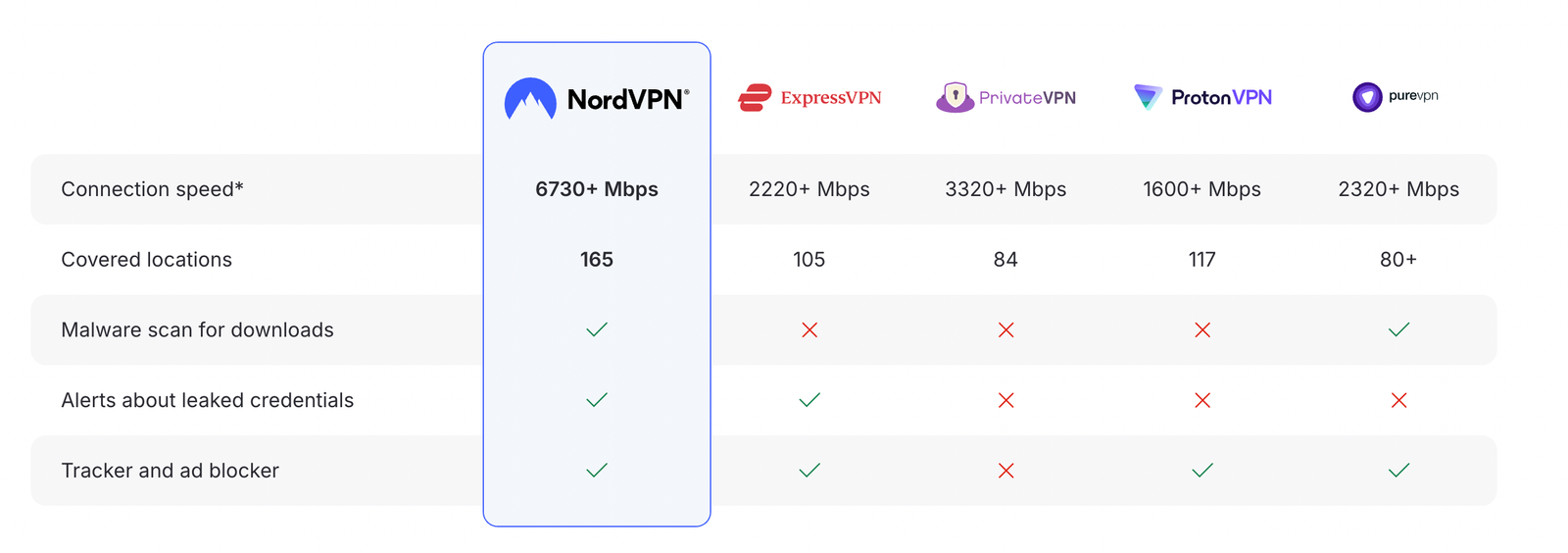
In conclusion, virtual private networks significantly boost privacy for digital nomads by offering robust protection in an unpredictable online world. NordVPN excels with its top-tier encryption, vast server network, and user-friendly interface, making it perfect for travelers seeking security without complications. This service provides features like Threat Protection, which blocks malware and ads, enhancing the overall experience. Additionally, its no-logs policy ensures complete anonymity, a key advantage for remote workers. Therefore, NordVPN is a reliable choice for anyone needing versatile privacy solutions. Start protecting your digital life today by choosing NordVPN—sign up now for enhanced security and peace of mind. This step will safeguard your data and unlock global access effortlessly. Don’t wait; secure your online presence with NordVPN immediately.
How NordVPN compares to other top VPNs
Disclosure: We earn a commission at no extra cost to you if you make a purchase through links here. This helps support us in creating more content for you. Thank you for your support!
Share With Friends