

Augmented reality (AR) has transformed how we interact with the digital world, blending virtual elements into our everyday lives. However, unprotected AR applications pose serious hidden risks that users often overlook. From data breaches to cyber threats, these vulnerabilities can compromise personal privacy and security in ways that are not immediately apparent. This post explores the dangers of using AR apps without proper protection, emphasizing the need for robust safeguards in an increasingly connected era. Keywords like “AR security risks,” “unprotected augmented reality,” and “data privacy in AR” highlight the importance of awareness. As AR technology grows more popular, understanding these threats becomes essential for anyone engaging with virtual overlays on devices like smartphones or smart glasses. The potential consequences include identity theft, unauthorized surveillance, and even physical harm from manipulated AR experiences. By delving into these issues, we aim to empower users to make informed decisions about their digital habits. This discussion is particularly relevant for individuals who use AR for gaming, education, or professional purposes, as the stakes are high in our data-driven society. Ultimately, recognizing these hidden risks can lead to better practices that protect both personal and professional assets in the AR landscape.
Data Privacy Concerns in AR

Unprotected AR apps often collect vast amounts of user data without clear consent. For instance, these applications track location and facial features constantly. This practice exposes sensitive information to potential hackers. Moreover, third-party developers may share this data with advertisers. As a result, users face targeted scams based on their AR interactions. Additionally, AR devices link to other smart gadgets, amplifying privacy breaches. Therefore, everyday activities like trying virtual outfits can reveal personal habits. In fact, experts warn that such data accumulation increases identity theft risks. Furthermore, regulatory gaps allow companies to exploit this information freely. On the other hand, users might not realize how their AR usage builds detailed profiles. Consequently, this leads to unwanted surveillance in public spaces. However, simple measures like app audits can mitigate these issues. Overall, the core problem lies in lax data handling protocols. Transitioning to secure alternatives is crucial for long-term protection. In addition, families using AR for entertainment must be vigilant. For example, children’s AR games could leak family details. Thus, privacy erosion happens subtly over time. Besides that, businesses relying on AR for training face corporate espionage. Therefore, unprotected apps create a chain of vulnerabilities. Moreover, global users encounter varying legal protections. As a result, cross-border data flows heighten the risks. In summary, addressing data privacy in AR requires immediate action from developers and users alike. This concern affects anyone from casual gamers to professionals, making it a universal issue in today’s tech landscape. Furthermore, the ease of data access in AR apps underscores the need for encryption tools.
Cybersecurity Threats from AR Vulnerabilities

Cyberattacks on unprotected AR systems are becoming more sophisticated every day. Hackers exploit weak encryption to inject malware into AR interfaces. For example, this can alter virtual objects in real-time environments. Consequently, users might experience manipulated AR overlays that lead to accidents. Additionally, phishing schemes target AR app downloads frequently. Therefore, unsuspecting individuals download infected software easily. Moreover, AR devices often lack robust firewalls, inviting remote access by intruders. In fact, these breaches can compromise entire networks connected to the device. However, many users ignore these threats until it’s too late. Furthermore, AR’s integration with IoT devices expands attack surfaces dramatically. As a result, a single vulnerability can cascade into multiple system failures. On the other hand, emerging AR technologies like mixed reality headsets face similar issues. Thus, cybercriminals use these entry points for ransomware attacks. In addition, public AR experiences in events increase exposure to crowd-based hacks. Therefore, shared AR sessions become hotspots for data interception. Besides that, insufficient updates in AR apps leave old flaws unpatched. Moreover, this negligence allows persistent threats to persist. For instance, AR filters in social media can harvest biometric data covertly. Consequently, users lose control over their digital identities. However, awareness campaigns can educate people on these dangers. Overall, the cybersecurity landscape for AR is fraught with hidden perils. In summary, protecting against these threats demands proactive measures from all stakeholders. This affects everyday users who engage with AR for fun or work, highlighting the broader implications.
Real-World Implications of AR Risks

The real-world effects of unprotected AR extend beyond digital realms into daily life. For example, faulty AR navigation can cause physical injuries during drives. Moreover, manipulated AR instructions in workplaces lead to errors and accidents. Therefore, industries like healthcare face severe consequences from these risks. In addition, social interactions via AR can foster misinformation spread. Consequently, users might trust altered virtual realities implicitly. However, the psychological impact includes increased anxiety from constant monitoring. Furthermore, AR’s role in education exposes students to manipulated content easily. As a result, learning experiences become unreliable and deceptive. On the other hand, entertainment AR apps contribute to addiction patterns subtly. Thus, users neglect real-world responsibilities due to immersive distractions. Besides that, legal ramifications arise from AR-related disputes frequently. Moreover, unprotected apps enable fraud in virtual transactions smoothly. For instance, AR shopping interfaces can be hacked for unauthorized purchases. Therefore, financial losses mount quickly for average consumers. In fact, environmental AR tools might misguide users in outdoor activities. Consequently, this leads to safety hazards in unfamiliar areas. However, adopting secure practices can prevent such outcomes effectively. Overall, the implications touch every aspect of modern living. In summary, addressing these risks is vital for a safer AR-integrated future. This is especially relevant for diverse audiences exploring AR technologies daily.
Why NordVPN is a Great Choice
NordVPN stands out as an excellent option for safeguarding against the hidden risks of unprotected AR applications. It offers advanced encryption that protects user data from breaches and cyber threats effectively. For instance, its secure VPN tunnels ensure that AR interactions remain private and anonymous. Moreover, NordVPN’s features like Threat Protection block malicious sites and malware targeting AR devices. Therefore, users can enjoy AR experiences without exposing themselves to vulnerabilities. In addition, the service supports multiple devices, making it ideal for anyone from casual users to professionals. However, what makes NordVPN particularly appealing is its ease of use and affordability. As a result, it provides comprehensive security without overwhelming technical requirements. Furthermore, with servers in numerous locations, it enhances AR performance by reducing latency. Ultimately, choosing NordVPN means prioritizing safety in an AR-driven world. Sign up for NordVPN today to protect your data and enjoy secure AR adventures—your digital security depends on it!
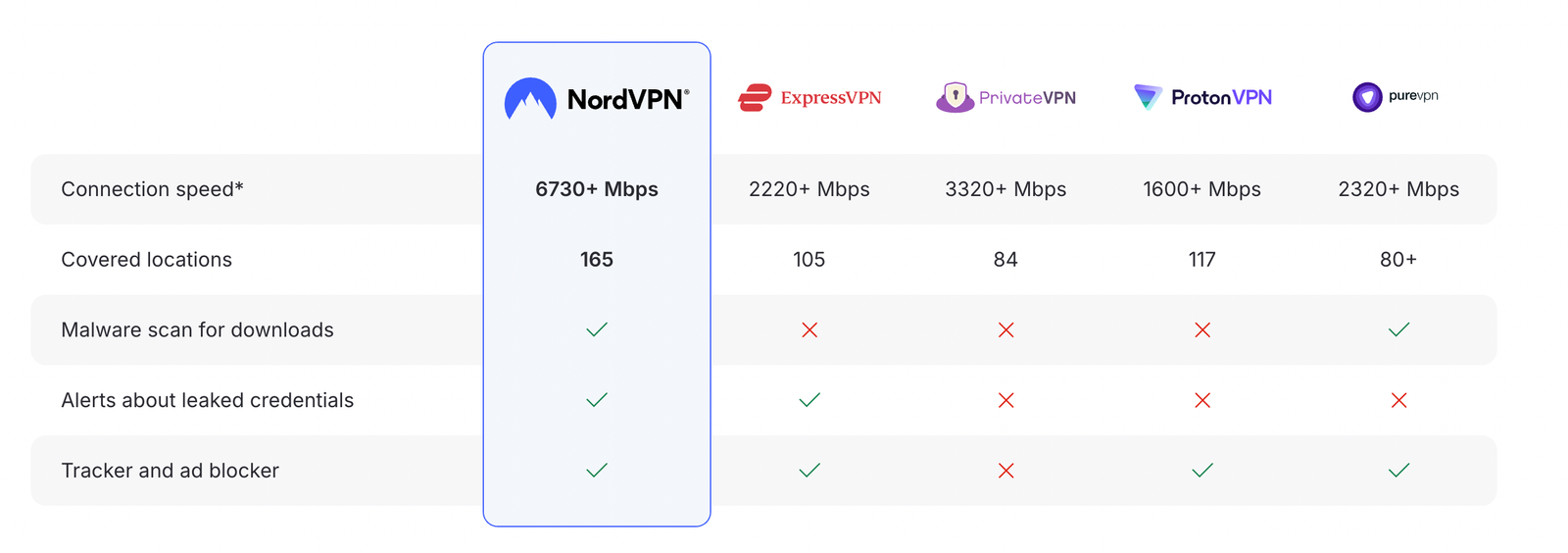
How NordVPN compares to other top VPNs

Disclosure: We earn a commission at no extra cost to you if you make a purchase through links here. This helps support us in creating more content for you. Thank you for your support!
Share With Friends