
VPNs Enhance Security for Bring Your Own Device Policies
In today’s digital landscape, bring your own device (BYOD) policies allow employees to use personal devices for work. This flexibility boosts productivity but introduces significant security risks. VPNs, or virtual private networks, play a crucial role in protecting data. They encrypt connections and hide IP addresses, safeguarding sensitive information from cyber threats. Organizations must adopt VPNs to secure remote access and prevent breaches. This post explores how VPNs enhance security for BYOD environments, making them essential for modern businesses. Keywords like VPN security and BYOD policies will help this content rank higher in search results.
Understanding BYOD Risks
BYOD policies let employees use their own devices at work. However, this exposes networks to malware and unauthorized access. Personal devices often lack proper security updates, increasing vulnerabilities. Companies face data leaks and compliance issues as a result. VPNs address these problems by creating secure tunnels for data transmission. Therefore, understanding these risks is vital for IT teams. BYOD can enhance productivity, but without safeguards, it jeopardizes company information. Moreover, hackers target unsecured connections frequently. This paragraph highlights the need for robust defenses in BYOD setups.
How VPNs Provide Protection

VPNs encrypt data, shielding it from interception on public networks. This is especially useful for BYOD users accessing corporate resources remotely. They also mask IP addresses, preventing location-based tracking. As a result, VPNs reduce the chances of cyber attacks significantly. Employees can work securely from anywhere without compromising privacy. Furthermore, VPNs ensure that devices meet security standards before granting access. This feature minimizes internal threats from infected devices. Overall, VPNs are a reliable layer of defense for BYOD environments, enhancing overall network integrity.
Best Practices for Implementation
To implement VPNs effectively in BYOD policies, start with employee training on usage. This ensures proper adoption and reduces errors. Companies should also enforce multi-factor authentication for added security. Moreover, regular audits help identify potential weaknesses in the system. VPNs integrate seamlessly with existing IT infrastructures, making them cost-effective. Therefore, businesses can scale their security as needed. BYOD policies benefit from this approach, fostering a safer work environment. In addition, monitoring tools track VPN activity to detect anomalies quickly.
Why NordVPN is an Excellent Option
NordVPN stands out for BYOD security due to its strong encryption and user-friendly interface. It offers features like double VPN and a vast server network, ensuring reliable protection. This makes it ideal for anyone, from remote workers to everyday users. Therefore, choosing NordVPN enhances your device’s safety effortlessly. Try NordVPN today to secure your BYOD setup and enjoy peace of mind. Sign up now for exclusive deals and start protecting your data immediately. This reliable service boosts productivity while minimizing risks, so don’t wait—act fast to safeguard your online activities.
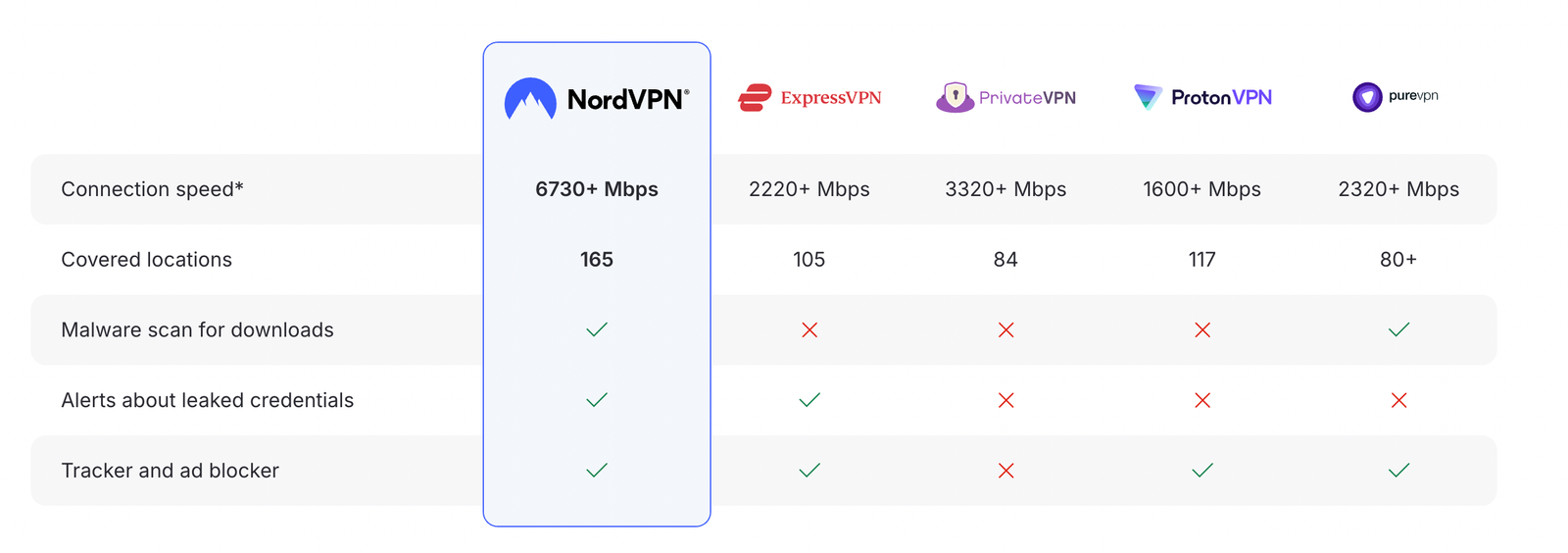
How NordVPN compares to other top VPNs

Disclosure: We earn a commission at no extra cost to you if you make a purchase through links here. This helps support us in creating more content for you. Thank you for your support!
Share With Friends